
Fast, Permanent Roof Repair Aurora CO Homeowners Count On
Emergency Leak Repair • Hail Damage Diagnosis • 24/7 Response
When water is getting in, you need a team that can find the real source and fix it for good. Our Aurora roof repair specialists deliver diagnostic precision, quality materials, and permanent solutions — not temporary patches.
When Water Gets In, Every Hour Matters
A roof leak has a way of making everything else in your life wait. You were going to work this morning until you noticed the water stain spreading across the ceiling, or the bucket-catching drip in the upstairs bathroom, or the dark patch on the wall in your kid's bedroom that was not there yesterday. Now everything stops until somebody figures out where that water is coming from and shuts it off.
We understand the panic. Water inside a house is not like water outside — it compounds quickly. Within hours, drywall starts softening. Within a day, insulation loses its R-value. Within a few days, mold spores begin colonizing wet framing. Every hour a leak stays unaddressed is structural damage you will eventually pay to fix. That is why roof repair work has to be responsive, diagnostic, and permanent — not just reactive.
At Cornerstone, our roof repair team operates with the same training and installation standards as our full replacement crews. We are not a separate, lower-tier "patch" service. Repair work done badly fails within months. Repair work done correctly becomes invisible — the roof simply stops leaking and stays that way. The difference is in diagnosis, materials, and craftsmanship. For broader service information, visit our main roofing company Aurora CO page.
How We Diagnose Roof Leaks
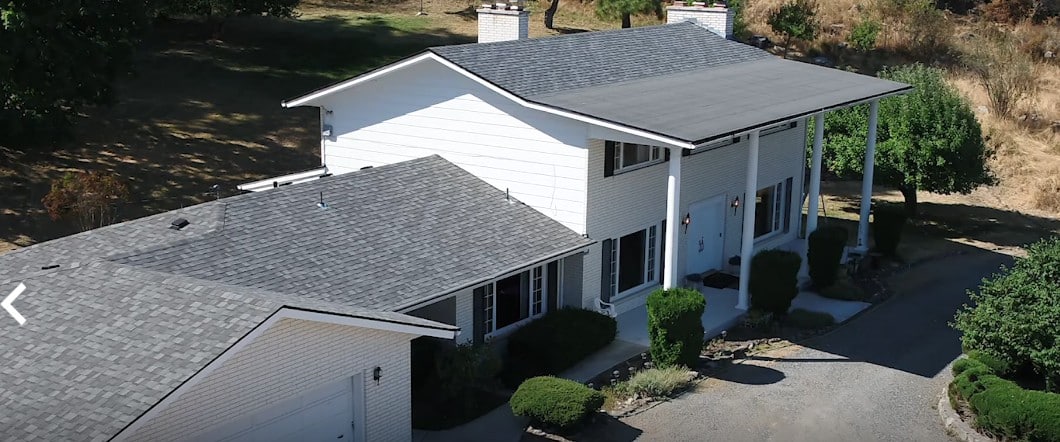
Finding a leak is harder than it sounds. Water rarely drips straight down — it travels along rafters, pools on top of insulation, runs sideways along drywall seams, and often appears inside the home ten or fifteen feet from where it actually entered the roof. A shingle field that looks fine from the ground can have a single failed pipe boot allowing gallons of water into your attic during every heavy rain.
Thermal Imaging
Wet roof decking holds heat and cold differently than dry decking. Our thermal cameras reveal temperature anomalies that indicate active or previous moisture intrusion, often showing us exactly where water has been traveling. This gets us to the source instead of starting a trial-and-error repair that might not actually address the problem.
Penetration Inspection
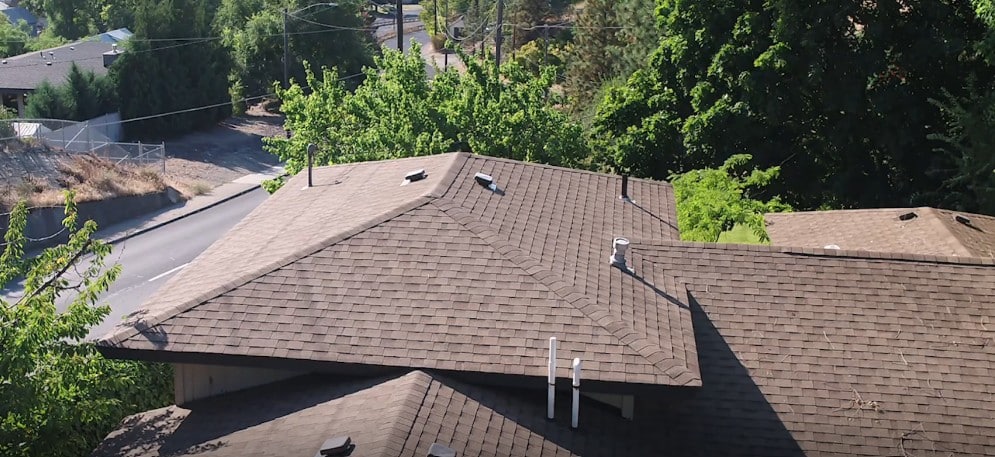
The majority of residential roof leaks occur at penetrations rather than in the shingle field. Plumbing vent boots crack from UV exposure after 8-10 years. Chimney flashings rust out or separate from the chimney itself. Skylight seals fail. Exhaust vents work loose. A targeted inspection of every penetration usually reveals the culprit within the first few minutes.
Valley and Flashing Analysis
Roof valleys channel enormous volumes of water during storms. If a valley flashing has a pinhole, or if two shingles in the valley are misaligned, water will follow the path of least resistance directly into your attic. We examine every valley from the roof surface and from the attic underside.
Attic-Side Inspection
Some leaks can only be diagnosed from inside the attic. Staining patterns on the underside of decking, rust tracks along nail points, discoloration on rafters, and the location of insulation compression all tell a story about where water has been traveling. Looking at a roof only from the top is like reading only the first chapter of a book.
Common Aurora Roof Repair Scenarios
After thousands of repair calls across the Front Range, certain failure patterns come up repeatedly. Here are the most common roof repair scenarios Aurora homeowners encounter.
Cracked or Missing Shingles After High Wind
Aurora's downslope wind events regularly exceed 60 miles per hour, and gusts above 80 mph are not unusual. These winds tear shingles off or break their thermal seal. If you see shingles in your yard after a storm, or if you can see bare spots on your roof from the ground, you need immediate repair. Wind-loosened shingles that get driven rain underneath them can cause decking damage within a single storm cycle.
Hail-Damaged Shingles
Hail creates bruises — fractured fiberglass mat underneath the asphalt coating — that are often invisible from the ground but cause accelerated granule loss and eventual leaking. If your area has experienced a hail event recently, having a professional inspection is essential. The Insurance Information Institute reports that Colorado homeowners file hail claims at rates far above the national average, and undiagnosed hail damage is a leading cause of roof failure in our region.
Failed Pipe Boots
The rubber collars around plumbing vent pipes typically fail within 8-12 years. The rubber degrades under UV exposure, cracks, and pulls away from the pipe. Water then runs straight into the attic during rain. Pipe boot repair is quick and inexpensive if caught early — and catastrophic if ignored.
Chimney Flashing Failures
Chimney flashings are the most complex waterproofing on most roofs. Step flashing, counter flashing, and crickets all work together to divert water around the chimney. When any one component fails — rust-through, separation from the masonry, caulk degradation — water finds a path. Properly rebuilt chimney flashing usually requires bending new metal and tuckpointing into the mortar.
Ice Dam Damage
Aurora winters produce ice dams when warm attic air melts snow on the upper roof, water runs down to the colder eaves, and refreezes. The dam backs water up underneath the shingles. Repairing ice dam damage requires replacing any water-compromised shingles and ensuring ice-and-water shield is properly installed along the eaves.
Skylight Leaks
Skylights leak through failed seals, cracked flashing, or deteriorated counter-flashing along the upper edge. Many skylight leaks can be repaired by re-flashing without replacing the skylight unit itself.
Emergency Repair Versus Permanent Repair
When a storm causes active leaking, the first priority is stopping the immediate water intrusion. Our emergency response includes temporary tarping over active damage, interior ceiling protection, and rapid-response visits during severe weather events. But temporary fixes are exactly that — temporary. A tarp is not a repair.
The permanent repair happens in daylight, with proper materials, done correctly. Many homeowners in a panic will accept whatever "repair" an emergency responder offers, only to discover a few months later that caulk was squirted around a penetration instead of proper flashing being installed. When that caulk dries and cracks, the leak returns. We separate emergency stabilization from permanent repair, and both get done properly.
Targeted Shingle Replacement
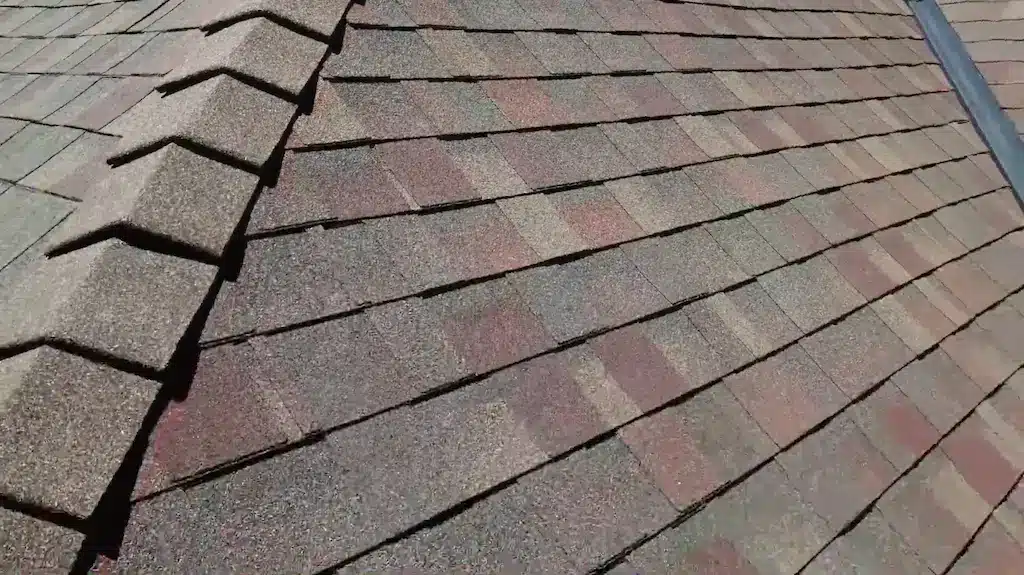
For localized damage, we can replace specific sections of shingles without disturbing the rest of the roof. This requires careful color matching and access to your original shingle specification. For homeowners whose shingles are discontinued, we find the closest possible match from the same manufacturer.
Partial Re-roof
If damage extends across a full roof slope but other slopes are intact, we can perform a partial re-roof — replacing one side of the roof while leaving others. This approach only makes sense if the remaining slopes have significant service life left and if warranty terms allow it.
Full Replacement Decision Point
There is a threshold where repair stops making economic sense. If the roof is more than fifteen years old, if multiple systems are failing simultaneously, or if insurance is approving a full replacement claim, continuing to patch is throwing money away. Part of our job is telling you honestly when repair makes sense and when it does not.
What a Proper Roof Repair Actually Involves
The difference between a real repair and a "patch" shows up in the details. Here is what a professional roof repair looks like when it is done right.
First, we uncover the actual damage. If a shingle needs to be replaced, the surrounding shingles have to be carefully lifted — which in Aurora's cold weather is trickier than it sounds. Shingles get brittle in winter, and rough handling cracks adjacent shingles that were perfectly fine before the repair started.
Second, we inspect what is underneath. If the damaged area had a leak, we need to check the condition of the underlayment and decking. Wet decking has to be replaced, not left in place to rot under new shingles.
Third, flashing and penetration components get replaced with new materials, not reused. Reusing old flashing is one of the most common repair shortcuts, and it guarantees the same leak will return within a year or two.
Fourth, new shingles go in with proper nailing patterns, correct offset, and appropriate sealant where the manufacturer specifies it. The repair should be functionally indistinguishable from a new installation in that section.
Fifth, the work is photographed before, during, and after. You get documentation showing exactly what was done, which matters if warranty questions ever arise.
Sixth, we clean up thoroughly. Stray nails end up in tires, in bare feet, and in lawn mower blades. A repair job done right leaves your property in the same condition we found it.
Roof Repair Questions We Hear Every Week
How much does a typical roof repair cost?
Simple repairs — replacing a single pipe boot, patching a small shingle area, resealing a skylight — typically range from a few hundred dollars to around a thousand. More complex repairs involving decking replacement, extensive flashing rebuild, or significant shingle replacement can range into the low thousands. We provide written estimates before starting work so there are no surprises.
Can I just have my regular handyman do the repair?
We strongly recommend against it. Roofing is a specialized trade with specific materials, installation standards, and safety requirements. Handymen often use the wrong sealants, incorrect flashing techniques, or wrong shingle types — all of which guarantee the repair fails. A handyman repair that voids your manufacturer warranty costs far more long-term than having a professional do it right the first time.
Will my insurance cover a roof repair?
It depends on the cause of damage. Sudden-event damage like hail, wind, or a fallen tree is typically covered minus your deductible. Gradual deterioration from age, lack of maintenance, or wear-and-tear is generally not covered. If you are unsure whether your damage qualifies, we can evaluate and give you an honest read before you file a claim.
How quickly can you respond to an active leak?
For active leaks, we prioritize immediate response. During normal weather, we can typically get a crew to your property within hours. During major storm events when the whole region is calling at once, we triage based on severity, but we get to everyone as fast as humanly possible.
Do roof repairs have warranties?
Yes. Our repair work carries workmanship warranties. The length depends on the scope of repair. More importantly, manufacturer material warranties remain valid as long as the repair is performed according to manufacturer standards — which ours are.
Will my roof need total replacement after repair?
Usually no, if the repair is done correctly. A properly performed repair addresses the specific failure point and the underlying cause. However, if the roof is approaching end-of-life or has multiple failing systems, repair may be buying you a few more years rather than providing a long-term solution. We will tell you honestly which situation you are in.

Preventing Future Repairs Through Maintenance
The best repair is the one you never have to make. Most roof failures that send us out for emergency repair calls were preventable with basic maintenance — maintenance that most homeowners do not perform because they are not sure what to look for.
Annual Visual Inspections
Once a year, ideally in early spring after winter weather has passed and before summer storms ramp up, walk around your house and look at your roof from the ground. Use binoculars if necessary. Look for missing or displaced shingles, visibly damaged flashing around chimneys or skylights, debris accumulated in valleys, and sagging areas that indicate structural issues. This five-minute inspection catches most problems before they become emergencies.
Gutter Maintenance
Clogged gutters back water up under the shingles at the eaves, causing rot and ice dam damage. Clear gutters at least twice a year — spring to clear winter debris and fall to clear leaves. Gutter guards reduce but do not eliminate this maintenance need. When you clear gutters, inspect for sagging sections, separation from the fascia, or damaged downspouts.
Attic Inspection
Your attic reveals roof problems long before they become visible from the exterior. Look for water stains on the underside of decking, rust marks on nail tips (indicating condensation issues), daylight showing through at the ridge or eaves where it should not, and any musty smell that might indicate hidden moisture. An annual attic inspection takes fifteen minutes and catches problems early.
Tree Maintenance
Tree branches that overhang your roof drop debris, abrade shingles in wind, provide pathways for squirrels and raccoons, and create leaf accumulation in valleys. Trim branches back at least six feet from the roof surface. Remove dead or diseased trees before they fall on your house during the next storm.
Post-Storm Inspections
After any significant hail or wind event, have your roof professionally inspected — even if nothing appears obviously damaged. Our inspections are free, and the documentation we create is invaluable if later claims need to be filed. Many homeowners skip post-storm inspections because their roof "looks fine from the ground" and then discover damage a year later, after the insurance filing window has closed.

Schedule Your Aurora Roof Repair Inspection
Do not wait for a small leak to become a major structural problem. Water damage compounds quickly, and a repair that costs a few hundred dollars today can turn into a ceiling restoration that costs many thousands if ignored. If you suspect your roof has a leak, has sustained storm damage, or needs professional evaluation, contact us to schedule an inspection.
Our inspections are free, thorough, and honest. If your roof needs repair, we will repair it properly. If it does not need anything, we will tell you that and send you on your way. That transparency is the foundation of our reputation as a trustworthy roof repair team across the Front Range.
For comprehensive information about all our services, visit our main roofing company Aurora CO page. Whether your situation requires a simple repair, a partial re-roof, or a full replacement, our team provides the same attention to quality and transparency that has built our reputation across the Front Range. We service all Aurora neighborhoods including Southlands, Saddle Rock, Tollgate Crossing, Cherry Creek Vista, Meadowood, Hoffman Heights, Expo Park, Del Mar, Aurora Highlands, and Painted Prairie. Call us today to schedule your inspection, and let us show you what professional roof repair actually looks like when it is done right. Our team looks forward to earning your trust and providing the kind of honest, high-quality work that has made us the repair specialists Aurora homeowners recommend to their neighbors and friends.